

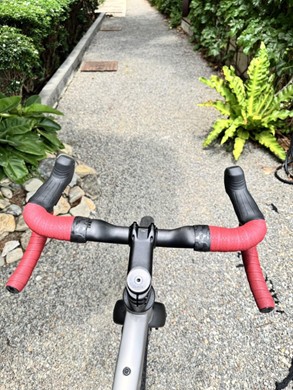
Buyer Guide: Choosing the Best Bicycle Bar Tape for Your Ride
Many cyclists spend hours choosing the perfect saddle, wheels, or tires — but if you truly want to upgrade your riding experience and feel more professional, don’t overlook one small yet powerful detail: the bike tape, also known as handlebar tape. Whether you’re a weekend rider or a seasoned racer, bar tape plays a key role in your comfort, control, and safety.
In this guide, we’ll show you why bike tape matters, when to replace it, how to choose the right one for your riding style, and how to install it properly. By the end, you’ll see how the right bicycle bar tape can completely transform your ride.
Why Bicycle Bar Tape Matters
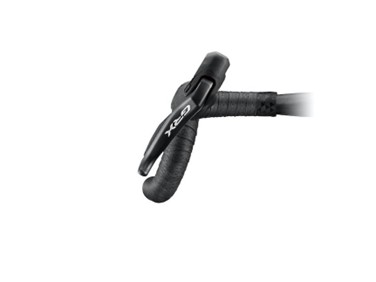
Bicycle bar tape does far more than make your bike look stylish. It plays a key role in how your bike feels and performs:
Comfort
Without bar tape, vibrations from uneven roads or long-distance rides would directly transfer to your hands. Quality tape absorbs shock and keeps your hands relaxed.
Grip and Control
A secure grip ensures confidence when sprinting, climbing, or cornering—especially in wet or sweaty conditions.
Protection
It prevents direct contact between your palms and the bare handlebar, reducing blisters and shielding the bar itself from scratches or corrosion.
Aesthetic Appeal
Bar tape is an easy and budget-friendly way to give your bike a fresh, personalized look with colors, textures, or patterns that show off your style.
In short, different tapes cater to a wide range of needs—from aesthetics to safety and functionality—providing the right balance of comfort and control for every type of rider, from daily commuters to competitive racers.
Why Bicycle Bar Tape Needs Regular Replacement?
Even the best bar tape wears out over time. Here’s why regular replacement matters:
- Safety: Aged or damaged tape can lose its grip, elasticity, and cushioning. This not only reduces comfort but may cause hand slippage or poor control.
- Sweat and Dirt Buildup: Over time, moisture seeps through the tape and can corrode metal components beneath. Bacteria and odor may also accumulate.
- Changing Riding Needs: As your cycling habits evolve—from daily commuting to racing—you may need a different tape thickness or texture.
- Easy Performance Upgrade: Replacing bar tape is one of the most affordable ways to refresh your bike’s feel and appearance.
Pro tip: Replace your tape roughly every 6 months, or sooner if you notice signs like slick surfaces, stickiness, fading, cracks, or lingering odors after cleaning.
How to Choose the Best Bar Tape
When choosing handlebar tape, consider both performance and personal preference. Here are six key factors:
1. Material
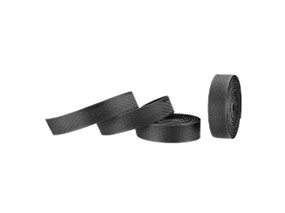
Built for gravel adventures, combining secure grip, long-ride comfort, and earthy tones that look and feel at home on any wild terrain.
Each material offers distinct benefits:
EVA (Ethylene Vinyl Acetate) Foam:
A classic bar tape material known for its excellent vibration damping and comfort. It provides a firm, stable grip and effectively absorbs shocks from rough terrain, keeping your hands relaxed on long rides.
PU (Polyurethane):
PU bar tape balances grip, durability, and style. It provides a firm yet comfortable feel and remains water-resistant and anti-slip even in humid or rainy conditions, making it an excellent all-rounder for both commuting and racing.
Silicone:
Silicone bar tape offers natural tackiness and strong grip—even when wet or sweaty. It provides superior cushioning without feeling bulky and can be rewrapped multiple times thanks to its adhesive-free design.
Vegan Leather
Vegan Leather bar tape offers a timeless, premium feel that improves with age. It’s durable, naturally grippy, and molds to your hands over time, making it a favorite among classic road bike enthusiasts.
2. Thickness
Most standard bar tapes measure around 3 mm in thickness, offering a balanced feel between comfort and control. Riders who prefer extra cushioning and pressure distribution—such as those tackling long distances or rough roads—may opt for thicker tapes around 3.0 mm.
Meanwhile, thinner options are ideal for cyclists with smaller hands or racers who prioritize direct road feedback and a lightweight, minimal setup.
3. Grip & Texture
Raised patterns or embossed textures enhance control and channel away moisture, significantly improving grip on wet or slippery surfaces. For smooth, dry roads you might prefer a flatter, simpler finish—but when conditions turn challenging or you’re pushing hard, textured or tacky surfaces deliver far superior anti-slip performance, boosting confidence through every turn and descent.
4. Ease of Installation
Look for tapes with reliable adhesive backing or stretchable materials that stay in place without wrinkling. Some brands include finish tape and bar-end plugs for a cleaner result.
5. Aesthetic Design
From classic black to bold gradients and vibrant patterns, bar tape offers a wide variety of options to express your personal style. Choosing a tape that complements your frame’s color not only enhances your bike’s overall appearance but also allows you to showcase your individuality on every ride.
6. Riding Style
Your riding discipline influences the ideal tape:
- Commuters: Prefer durable, easy-to-clean PU tape with moderate cushioning.
- Endurance Riders: Benefit from thicker EVA or multi-layer tapes for better shock absorption.
- Racers & Climbers: Choose thin, grippy PU or microfiber tapes for a lightweight, responsive feel.
- Gravel or Adventure Cyclists: Go for robust, textured surfaces and extra cushioning for rough terrain.
How to Install New Bar Tape
Installing handlebar tape is simpler than it looks. You’ll need:
- A pair of scissors
- Finish tape (included with Ciclovation bar tapes)
- Bar end plugs
Installation steps:
1. Start from the end of the handlebar and work upward.
2. Wrap the tape in a counterclockwise direction (for the left side) and keep the layers slightly overlapping for full coverage.
3. Maintain even tension to ensure a tight, clean finish.
4. Trim any excess, secure with finish tape, and insert the bar-end plugs.
Following these steps gives your bike a professional, sleek look while ensuring the tape stays secure on every ride.
Conclusion
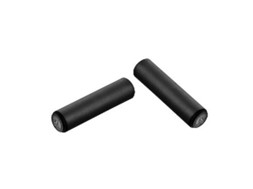
Experience secure traction, reduced vibration, and confident control on every trail ride, no matter the terrain or conditions.
Your handlebar tape may seem like a small detail, but it affects nearly every aspect of your ride—from comfort and grip to control and safety. Choosing the right tape, replacing it regularly, and installing it properly ensures a smoother, more enjoyable cycling experience. Beyond performance, bar tape also offers a simple way to personalize your bike, reflecting your style without breaking the bank.
For riders seeking a reliable, high-quality option, Ciclovation offers a range of bar tapes engineered for comfort, durability, and grip—helping every cyclist elevate their ride and enjoy every mile to the fullest.
Take your cycling to the next level—Contact Us Now and enjoy every ride like never before.


COMMENTS